Yankees' 61 HOFers: The Architects of Baseball's Greatest Dynasty
In the annals of professional sports, few franchises command the reverence and awe associated with the New York Yankees. More than just a baseball team, the Yankees represent a standard of excellence, a relentless pursuit of championships, and a storied history woven deeply into the fabric of American culture. At the heart of this unparalleled legacy lies an astonishing fact: the New York Yankees boast 61 inductees into the National Baseball Hall of Fame and Museum in Cooperstown, New York—the most of any Major League Baseball (MLB) team. This remarkable collection of players, managers, and executives isn't merely a statistic; it's a testament to over a century of sustained dominance and the indelible mark left by generations of pinstriped heroes on
Yankees' Hall of Fame Reign: MLB's Leading 61 Inductees.
A Dynasty Forged in Cooperstown: The Yankees' Unrivaled HOF Legacy
The sheer number of Yankees enshrined in Cooperstown speaks volumes about the franchise's enduring impact on **Yankees Baseball**. With 27 World Series championships—a record that dwarfs every other MLB team—the path to the Hall of Fame often ran straight through the Bronx. From the roaring twenties to the new millennium, the Yankees have consistently cultivated, acquired, and celebrated talent that reshaped the game.
The journey to Cooperstown for a Yankee often begins with an unparalleled statistical career, but it’s often solidified by postseason heroics and a consistent presence in the Fall Classic. The Hall of Fame itself, established in 1936, began honoring baseball's legends with its inaugural class that very year, opening its doors officially in 1939. Since then, it has become the ultimate validation of a baseball career, preserving the sport's rich history through exhibits, artifacts, and annual inductions. For the Yankees, these inductions aren't just individual honors; they're collective validations of an organizational philosophy geared toward winning.
The remarkable span of these inductees highlights the Yankees' ability to remain a powerhouse across diverse eras. It started with legends like Babe Ruth, enshrined in the Hall's very first class in 1936, symbolizing the dawn of the Yankees' modern era. It continues through contemporary icons like Mariano Rivera (2019) and Derek Jeter (2020), who anchored the late 90s and early 2000s dynasty, and more recent additions like CC Sabathia and Ichiro Suzuki in 2025. This generational flow of talent underscores a franchise that doesn't just rest on past glories but actively seeks to build new ones.
Pillars of Greatness: Iconic Players Who Shaped Yankees Baseball
The list of Yankees Hall of Famers reads like a roll call of baseball royalty, a pantheon of individuals whose names are synonymous with their positions and the pursuit of excellence. These players didn't just play for the Yankees; they embodied the team's relentless spirit and commitment to winning.
*
Lou Gehrig (inducted 1939): The "Iron Horse" set an unbreakable record for consecutive games played that stood for decades, all while maintaining a career .340 batting average and driving in 1,995 runs. His quiet strength and tragic early departure cemented his legend.
*
Joe DiMaggio (inducted 1955): The "Yankee Clipper" brought grace and power to center field, setting an all-time record 56-game hitting streak that remains one of baseball's most hallowed marks. A nine-time World Series champion, DiMaggio personified winning.
*
Mickey Mantle (inducted 1974): A switch-hitting phenom, Mantle was the face of the Yankees in the 1950s and 60s, battling injuries to amass 536 home runs and three MVP awards. His prodigious power and electric speed made him a fan favorite.
*
Yogi Berra (inducted 1972): A cornerstone catcher who famously won 10 World Series titles, more than any player in history. Berra's defensive prowess, clutch hitting, and unforgettable "Yogi-isms" made him a beloved figure both on and off the field.
*
Whitey Ford (inducted 1974): The "Chairman of the Board" was the ace of the Yankees' pitching staff for over a decade, known for his pinpoint control and cunning. He led the league in wins twice and was a six-time World Series champion.
*
Reggie Jackson (inducted 1993): "Mr. October" earned his nickname with legendary postseason performances, including his three home runs in Game 6 of the 1977 World Series. Jackson's larger-than-life personality and power bat defined the late 70s Yankees.
These aren't just statistics and anecdotes; these are the narratives of individuals who understood what it meant to don the pinstripes. They faced immense pressure, constant media scrutiny, and the unwavering expectation of victory. What makes a player truly Hall of Fame worthy for the Yankees isn't just their individual brilliance, but their ability to elevate the team, to perform under the brightest lights, and to contribute to multiple championships. The legacy is so profound that it often feels as though
From Babe Ruth to Derek Jeter: Yankees' Enduring HOF Legacy is simply writing itself with each passing generation.
The Masterminds Behind the Dynasty: Managers and Executives
While the players capture the headlines, the success of **Yankees Baseball** hinges equally on the strategic minds in the dugout and the shrewd decisions made in the front office. The Hall of Fame also recognizes these architects of greatness.
*
Joe McCarthy (inducted 1957): Managed the Yankees to an incredible seven World Series titles between 1931 and 1946. McCarthy's calm demeanor and tactical brilliance set the stage for much of the franchise's early dynastic success.
*
Casey Stengel (inducted 1966): A master showman and brilliant strategist, Stengel guided the Yankees to seven World Series championships in the 1950s, including an unprecedented five in a row. His unique personality and winning record made him a legend.
*
Joe Torre (inducted 2014): Leading the Yankees to four World Series titles in five years (1996-2000), Torre brought a steady hand and quiet confidence to a team filled with superstars. His ability to manage personalities and maintain a winning culture was exemplary.
Managing the New York Yankees is arguably one of the most demanding jobs in sports. It requires not only a deep understanding of the game but also an ability to navigate the intense scrutiny of the New York media, the high expectations of the ownership, and the passionate demands of the fanbase. These managers excelled under that pressure, consistently putting their teams in a position to win. Executives like Clark Griffith, though his primary HOF contributions were elsewhere, also played foundational roles in the early organizational structure that enabled such sustained success. Their vision and leadership laid the groundwork for the future.
Beyond the Pinstripes: Valuing Contributions from Across the League
The Hall of Fame's criteria are designed to honor the greatest figures in baseball history, regardless of how much time they spent with a single club. This means that while many Yankees HOFers spent the vast majority of their careers in New York, some inductees are recognized for careers that saw them excel across multiple teams, with their time in pinstripes being a significant, albeit sometimes shorter, chapter.
Ichiro Suzuki, inducted in 2025, is a prime example. Though his legendary career was primarily defined by his time with the Seattle Mariners, his impactful stint with the Yankees from 2012 to 2014 showcased his continued brilliance and contributed to the team's competitive efforts. The Hall celebrates a player's overall excellence and lasting impact on the game, acknowledging that talent can grace many uniforms. This inclusive approach ensures that truly transcendent players are recognized, even if their **Yankees Baseball** story isn't the longest.
Sustaining Excellence: The Future of Yankees Baseball in Cooperstown
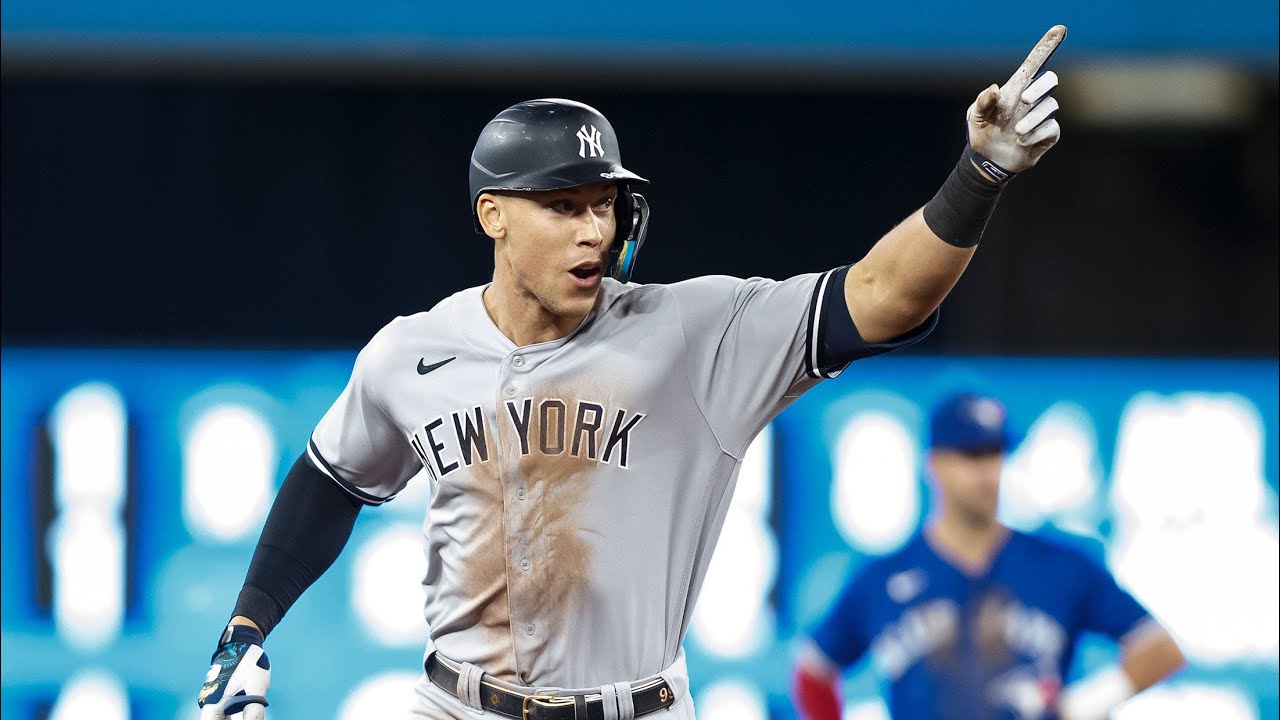
The ongoing legacy of the New York Yankees means the conversation about future Hall of Famers is never-ending. Current stars like Aaron Judge, whose recent go-ahead two-run homer helped secure a strong 8-2 victory over the Marlins, and ace Gerrit Cole continue to build impressive resumes, embodying the blend of power and pitching that has long defined the franchise. Their dedication, combined with strong starts to the season, like Cam Schlittler's shutout ball in a 5-3 win against the Mariners, demonstrate that the commitment to excellence remains.
For aspiring athletes, the journey of these 61 Hall of Famers offers invaluable lessons:
- Consistency is Key: Sustained elite performance over many seasons is fundamental.
- Impact Matters: Beyond stats, how did you change the game, your team, or your era?
- Clutch Performance: Delivering in high-pressure moments is often what separates legends.
- Leadership and Character: Being a positive influence in the clubhouse and community contributes to a lasting legacy.
- Longevity and Dedication: The ability to stay healthy and perform at a high level for a long career is crucial.
The Yankees' scouting and player development systems continually strive to identify and nurture the next generation of Cooperstown-bound talent, ensuring that the pipeline of legends remains open.
The New York Yankees stand as an unparalleled monument to baseball greatness, with 61 Hall of Fame inductees serving as the bedrock of their extraordinary dynasty. This remarkable achievement is not just a testament to individual brilliance but to a franchise-wide culture of winning, a relentless pursuit of excellence, and an enduring commitment to **Yankees Baseball**. As new generations of players chase their dreams in pinstripes, the legacy of these 61 legends continues to inspire, reminding us why the Yankees remain the gold standard in the sport.